What Is Nervous System Dysregulation? An Evidence-Based Guide
Nervous system dysregulation, explained with real research: the signs, what HRV reveals, and 4 proven ways to regulate your nervous system. Science, not hype.

Nervous system dysregulation, explained with real research: the signs, what HRV reveals, and 4 proven ways to regulate your nervous system. Science, not hype.

Disclosure: This article contains affiliate links. If you buy through them, I may earn a small commission at no extra cost to you. I only recommend products that meet my rating and review thresholds, and the pros and cons below come from real buyer feedback, not marketing copy. The clearest way I can describe a…
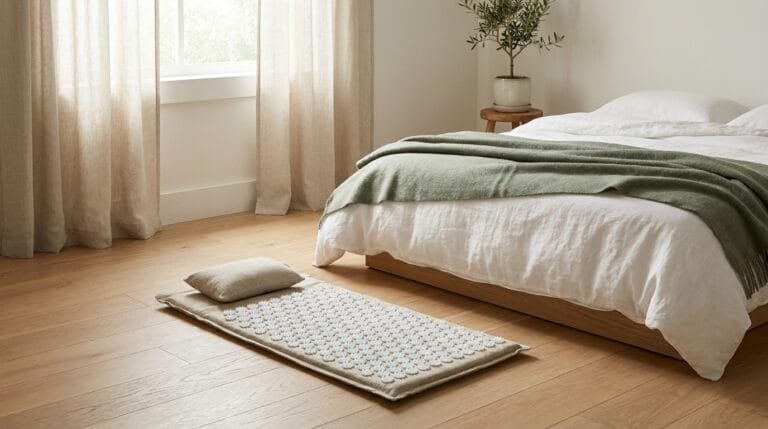
Affiliate disclosure: This article contains affiliate links. If you buy an acupressure mat through one of them, I earn a small commission at no extra cost to you. I only feature products that clear a strict rating and review gate, and the cons below come straight from real buyer feedback, not marketing copy. Most of…

Affiliate disclosure: Some links below go to Amazon. If you buy through them, wuusaa may earn a small commission at no extra cost to you. I only feature products that clear a 4.0-star rating gate, and I report the real downsides too. Prices and ratings were accurate at the time of writing and can change….

6 body pillow picks for side sleepers across budget, mid, and premium tiers. Honest pros and cons from aggregated Amazon review sentiment, not lab tests.
39% of US adults have back pain. The 2025 systematic review on which sleeping positions reduce pain and which make it worse. Side, back, and stomach options.
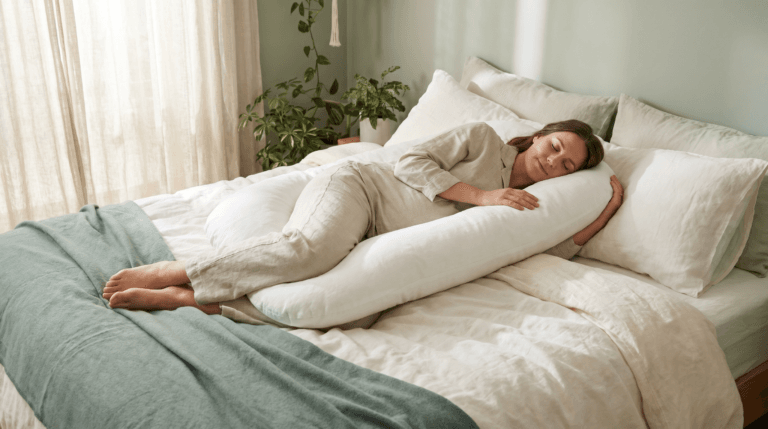
Mayo Clinic and ACOG recommend side sleeping in late pregnancy. The research, the trimester timing, and why early pregnancy doesn’t have the same risk.
Habit research shows sleep position changes take 6-12 weeks. The realistic plan, including why the tennis ball method has only 6% long-term compliance.

About 69% of US adults sleep on their side. The research on side sleeping benefits, fetal position, left vs right, and how to set up for it correctly.

Why left-side sleeping reduces nighttime reflux. Research shows acid clearance 2.5x faster on the left side. Backed by 2022 ACG guidelines for GERD.